Introduction
In today's health care landscape, specialized training is significantly essential for nursing experts looking for to excel in their professions. One location that has actually acquired considerable focus is dysphagia-- the clinical term for difficulty swallowing. This problem can emerge from many reasons, including neurological conditions, head and neck cancers cells, and various other diseases. As the populace ages and the prevalence of dysphagia rises, the demand for well-informed specialists has never ever been higher. This post explores the importance of dysphagia training for nurses, exploring just how specialized dysphagia training can boost profession potential customers while improving individual care.
What is Dysphagia?
Definition and Overview
Dysphagia describes a range of problems entailing problem ingesting. Individuals may experience pain during swallowing (odynophagia) or feel as though food is embeded their throat or breast. This condition can substantially affect nutritional consumption and high quality of life.
Prevalence of Dysphagia
The occurrence of dysphagia differs throughout different populations yet is specifically common among older grownups. According to research, about 15-30% of older adults experience some type of dysphagia. Understanding these statistics highlights the importance of specialized care in this field.
Why Specialized Dysphagia Training Matters
Enhancing Individual Care
Specialized dysphagia training courses equip nurses with the abilities required to evaluate and handle patients properly. Knowledge gained with these courses aids registered nurses recognize nutritional alterations, positioning strategies, and risk-free swallowing techniques that are important for patient safety.
Boosting Career Opportunities
Holding certifications in dysphagia care can set a nurse in addition to their peers. Facilities typically prioritize candidates with specialized training when filling positions connected to geriatric care, recovery, or acute care settings.
Advancing Your Profession: The Worth of Specialized Dysphagia Training for Nurses
Skills Got With Training
Participating in a dysphagia training course makes it possible for nurses to obtain beneficial abilities such as:
- Assessment strategies for identifying swallowing difficulties Knowledge about numerous structures and adjustments for food Strategies for preventing aspiration Interventions customized to individual person needs
Importance in Multi-Disciplinary Teams
Nurses play an integral role within multi-disciplinary groups managing person treatment. A comprehensive understanding of dysphagia enables nurses to connect efficiently with speech therapists, dietitians, and doctors about individual needs.
Types of Dysphagia Training Courses Available
Online vs In-Person Training
Both online and in-person dysphagia training courses are available. On the internet styles give adaptability and accessibility, while in-person sessions allow hands-on experience through simulations and team activities.
Certification Programs
Many organizations supply accreditation programs concentrated on dysphagia monitoring. These programs generally need conclusion of coursework complied with by assessments to verify expertise acquisition.
Curriculum Emphasizes of Dysphagia Training Courses
Fundamental Concepts
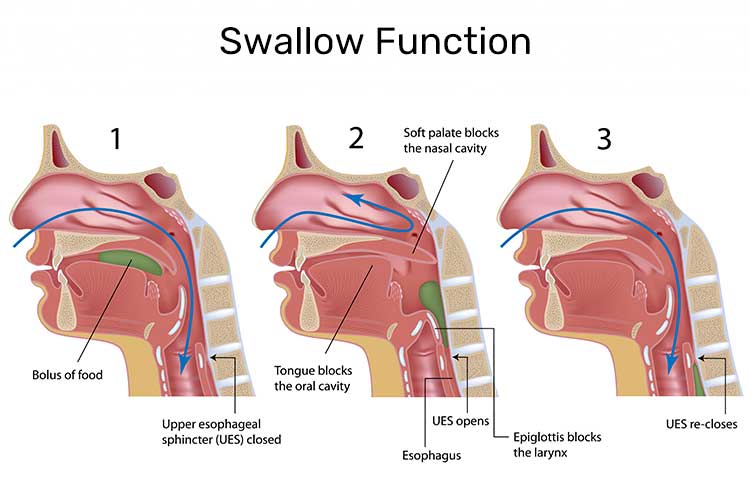
Fundamental facets covered include makeup relevant to swallowing, typical conditions leading to dysphagia, assessment procedures, and interventions made to improve swallowing safety.
Advanced Techniques
Advanced training courses delve deeper right into therapeutic methods such as neuromuscular electric excitement (NMES), which can help reinforce muscular tissues associated with swallowing.
Who Must Seek Dysphagia Training?
Target Target market for Dysphagia Courses
While primarily targeted at registered nurses, these programs likewise benefit occupational therapists, speech-language pathologists, dietitians, and caretakers involved in person support.
Importance for Treatment Staff
Dysphagia training for treatment staff makes sure that those providing everyday assistance are well-informed about dietary demands and precaution necessary for individuals with swallowing difficulties.

Benefits Beyond Clinical Practice
Personal Development
Engaging in specialized training promotes individual growth by expanding understanding horizons and improving self-confidence when resolving intricate professional issues.

Networking Opportunities
Training programs usually provide possibilities to connect with various other healthcare professionals that share comparable interests in enhancing individual end results related to dysphagia management.
Common Misconceptions Regarding Dysphagia Training
Myth 1: Just Speech Therapists Required This Training
It's a typical misconception that only speech-language pathologists need to concentrate on dysphagic conditions; nevertheless, nurses play a vital role in keeping track of signs and symptoms and implementing interventions.
Myth 2: It's Not Required if You Collaborate With Older Adults
While it might appear instinctive that older adult caretakers need this expertise most urgently due to higher occurrence prices amongst seniors, all doctor can take advantage of comprehending dysphagic needs throughout various demographics.
Key Components of Effective Dysphagia Management
Comprehensive Analysis Techniques
Effective administration begins with comprehensive analyses that check out both physical capabilities related to ingesting in addition to mental elements affecting food consumption behaviors.
Individualized Care Plans
Creating customized strategies based on analysis findings guarantees each individual's one-of-a-kind needs are dealt with properly-- something just skilled professionals can accomplish seamlessly!
Real-Life Applications: Situation Studies
Here we study real-life applications showing how specific training influences client care:
|Case Study|Description|| ------------|-------------|| Senior Client|After completing a program on handling dementia-related dysphasia difficulties, Registered nurse X had the ability to implement efficient strategies stopping choking cases throughout dishes!|| Stroke Survivor B|Nurse Y utilized her newfound abilities post-training by teaming dysphagia course up carefully with SLPs (Speech-Language Pathologists) leading recuperation initiatives after strokes impacting ingesting capability.|
FAQs about Dysphagia Training
What is included in a typical dysphagia training course?- Most programs cover anatomy related to swallowing, assessment methods, treatment strategies & & more!
- Completion time varies but usually ranges from a number of weeks up-to six months depending on course intensity!
- Many programs call for previous nursing experience or fundamental understanding about composition & physiology!
- Yes! Lots of establishments supply flexible on the internet options allowing students complete coursework according their schedules!
- While not mandatory almost everywhere; holding accreditations enhances task potential customers & shows dedication in the direction of expert development!
- Some companies do offer monetary help or reimbursements so it's ideal practice inquire straight before enrolling yourself!
Conclusion
Investing time right into gaining knowledge with specialized dys-phag-i-a train-ing supplies both tangible benefits like improved pa-tient end results together with intangible benefits such as increased self-confidence within scientific practice environments-- a win-win circumstance! As you take into consideration progressing your occupation course additionally down this method bear in mind: the a lot more you know about taking care of complicated situations successfully boosts not simply your expert value yet additionally considerably improves lives strained by chronic wellness difficulties related to ingesting dysfunctions too! Currently isn't that something worth pursuing?
By focusing on continual education within nursing self-controls-- especially worrying locations like swallow-ing problems-- we're not just improving our individual skillsets however additionally favorably impacting those around us each and every single day!